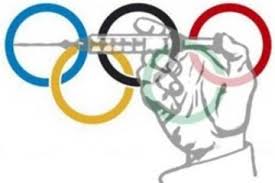
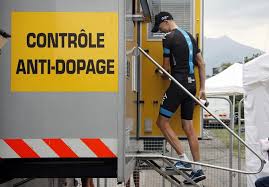
The Olympics have long been known as the greatest display of sports that the world has to offer. Hundreds of athletes for a variety of different countries come together to compete for their land. However, the issue of doping in sports does not discriminate and affects it at all levels. Including the Olympic Games. One of the International Olympic Committees largest priorities is the fight against doping. In order to contain it, they focus a lot of attention on protecting clean athletes, by keeping them clean. The International Olympic Committee adopted a zero tolerance policy for those caught doping. If an athletes is caught regardless of the situation, they will likely be automatically disqualified from competition. The World Anti-Doping Agency is an international organization leading the fight against doping by focusing on the World Anti-Doping Code. It is responsible for enforcing this code to all international levels, thus creating little room for confusion by staying under one code. The World Anti-Doping Agency works closely with the International Olympic Committee in order to enforce this during the Olympic Games. The International Olympic Committee states that the code is mandatory and must be enforce for the games, creating yet again no room for confusion. It should also help in that most international leagues already abide by the World Anti-Doping Code, so it is not new to most participants. This helps to enforce the zero tolerance policy, because the majority of athletes should have little room to argue with its methods. The International Olympic Committee oversees all the control and testing involving doping. However, it has recently tried to make them independent. Many may fear that it could make the rules less strictly enforce, while others could potentially argue that they will be easier to monitor if they are held independently by different governing bodies.
https://www.olympic.org/fight-against-doping






 Group 4